Dr. Felipe Cantu
Procedure

Bariatric Procedures

More than half of the people in the U.S. are overweight or obese and each year this number rises. Obesity is a chronic condition that requires management for life.

Procedure image

Bariatric Procedures

More than half of the people in the U.S. are overweight or obese and each year this number rises. Obesity is a chronic condition that requires management for life.

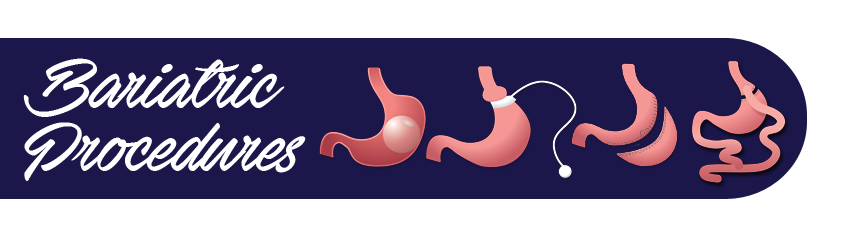
Bariatric procedures cause weight loss by restricting the amount of food the stomach can hold, causing malabsorption of nutrients, or by a combination of both gastric restriction and malabsorption. All of our surgical procedures are performed in a minimally invasive approach (laparoscopic surgery) that allows the patient to recover faster than in an open surgery.

The most common bariatric procedures are:

  • Gastric Sleeve
  • Adjustable Lap-band
  • Mini-Gastric Bypass (MGBP)
  • Gastric Bypass (Roux-en-Y)
  • Intragastric Balloon
Procedure image

Metabolic Surgery

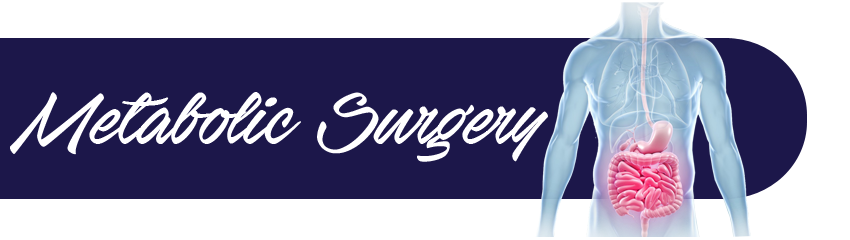
The gastrointestinal tract is part of the digestive system.

It acts upon ingested foods through physical and chemical means; in particular, the small intestine has been found to regulate blood sugar levels, metabolism and appetite. Abnormalities in the gastrointestinal tract may lead to obesity, diabetes, and other health issues.

METABOLIC SURGERY is designed to address a full range of metabolic diseases and conditions that can lead to the previously mentioned health issues. Through this procedure, the digestive tract can be altered using one or more specially chosen bariatric surgeries.

By using the appropriate procedure, or combination of obesity surgeries, many individuals reduce or eliminate the effects of diabetes, obtain dramatic weight loss results and increase their quality of life and expectancy.

As a virtual cure for diabetes for some patients, this surgery addresses the causes of diabetes resulting in the normalization of blood glucose levels and some patients are able to reduce or eliminate the use of insulin or oral hypoglycemic agents.

Metabolic surgery is also effective for patients that don't have obesity problems, obtaining excellent results it the resolution of comorbidities without undesirable weight loss.

Procedure image

Gastric Sleeve

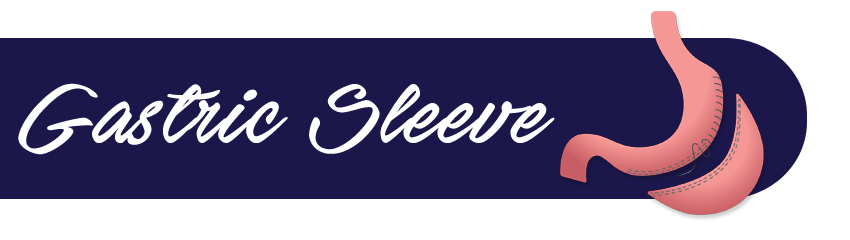
ItÂ’'s the newest procedure, done laparoscopically, that induces weight loss by restricting food intake.

With this procedure, the surgeon removes approximately 60 to 80 percent of the stomach leaving it in a banana/sleeve shape. He separates it from the larger portion of the stomach that contains a hormone responsible for appetite. After the sleeve procedure, hunger is greatly reduced which instantly helps the patient reduce his/her needs to overeat.

This is a safe and effective way to achieve and maintain a healthier weight. It is also a viable alternative for those patients who have specific conditions that prohibit gastric bypass surgery.

Highlights       

The main features of this procedure are:

  • Craving control and hunger reduction
  • Non-malabsorptive procedure
  • NO foreign objects are left in the body
  • NO adjustments are needed as with Lap-band and Intragastric Balloon
  • Weight loss occurs over 18 months
  • Quick recovery
  • Laparoscopic
  • 1 night stay at hospital
  • Surgical time: 1 to 1 ½ hours
Procedure image

Adjustable Lap-Band

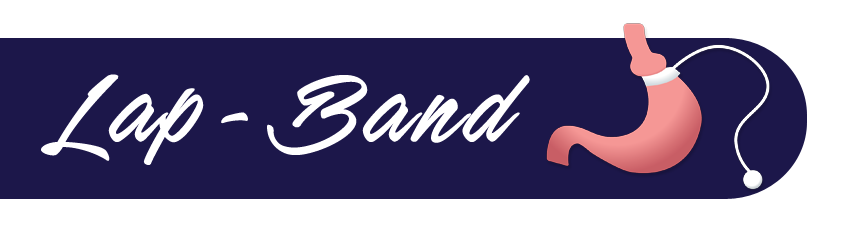
During this procedure, the LAP-BAND® is placed around the uppermost part of the stomach, dividing it into two parts: a small upper pouch and a lower stomach.

The upper pouch can hold only about 4 ounces (1/2 cup) of food. As a result, you eat less food at one time, feeling satisfied longer. It is placed under general anesthesia and a Laparoscopic surgery, which makes recovery time shorter than any open surgery procedure.

HIGHLIGHTS

The main features from this procedure are:

  • Least invasive surgical option
  • Low risk of nutritional deficiencies
  • No “dumping syndrome” related to dietary intake restrictions
  • Adjustable
  • Reversible “Removable at any time.” Stomach and other anatomy are generally restored to their original forms and functions
  • Fewer Risks and Side Effects
  • Laparoscopic
  • Outpatient procedure
  • Surgical time: 30 to 40 Minutes
Procedure image

Mini Gastric Bypass MGBP

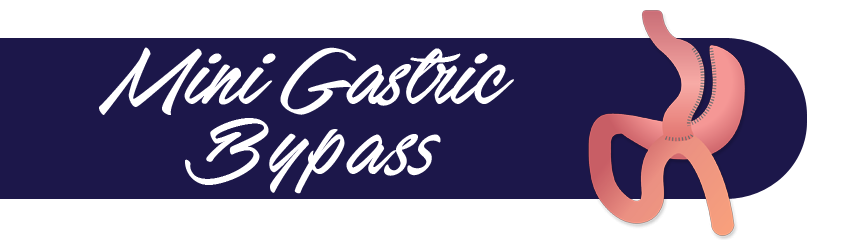
In this procedure, the surgeon divides the patientÂ’s stomach into two parts.

The smaller part, which connects to the esophagus, is reshaped into a long narrow tube and will serve as the new mini stomach; it will only hold 4 to 7oz of food. The larger part of the stomach will remain alive and inside your body. It will still produce digestive juices to aid in digestion but it will no longer come into contact with food.

The surgeon measures the length of your small intestine that will be bypassed (a surgically created pathway dodging the normal anatomical pathway) This bypass section will include all of the duodenum (initial part of the intestine) and part of the jejunum (middle section of the intestine) and itÂ’s usually between 5 to 7 feet from where the small intestine connects to the larger portion of your old stomach. The length of the bypass is determined by your specific physical condition and lifestyle situations.

Your surgeon will then connect the end of your new mini stomach pouch to the bypass point of the small intestine; this connection point is called an ANASTOMOSIS. Once this is completed your surgeon will reinforce the outer circumference of the anastomosis with sutures and close the abdominal incisions with sutures.

Highlights

The main features from this procedure are:

  • Has only 1 Anastomosis instead of 2 as with the gastric bypass
  • Stomach pouch is created on the lesser curvature of the stomach
  • Reversible “can be undone”
  • Laparoscopic
  • Simpler procedure
  • Less operative time
  • Faster recovery than the gastric bypass
  • Lower risk of leakage or intestinal obstruction as compared to gastric bypass
  • Very Effective alternative for sweet-eaters
  • 2 night stay at hospital
  • Surgical time: 1 to 3 hours
Procedure image

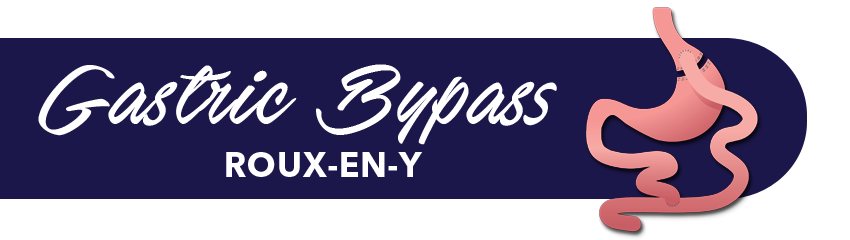
Gastric Bypass Roux-en-Y

In this procedure, the surgeon divides the patientÂ’s stomach into two parts.

A small stomach pouch, which is taken from the greater curvature of the stomach and itÂ’s reshaped into a small stomach pouch, will serve as the new mini stomach; it will only hold 4 to 6oz of food and the larger part of the stomach will remain alive and inside your body just as in the mini gastric bypass procedure.

The top end of the middle part of the intestine (the jejunum) is pulled up and connected to the gastric pouch created. The duodenum (initial part of the intestine) is cut at about 45 cm or 18 inches down from the end of the stomach to eventually be rerouted into the lower part of the jejunum.

The new digestive configuration has a shape of a Y hence the name of the procedure. This allows food to pass directly into the small intestine where digestion continues. This new passageway decreases the absorption of calories and nutrients therefore malabsorption can occur leading to the weight loss needed.

The bile and pancreatic fluids from the liver and pancreas continue to function allowing food to be completely digested.

It is important to keep in mind that Bypass patients require special treatment to prevent malnutrition; The proper follow-up, dietary guideline and intake of the right supplements will make this procedure an excellent option for long-term weight loss success.

Highlights

The main features of this procedure are:

  • GOLD STANDARD surgery
  • Greater weight reduction
  • Long-term sustainable weight-loss
  • Improves health of patients with comorbidities
  • Best option for GERD (Gastro-esophageal reflux disease)
  • Laparoscopic
  • 2 night stay at hospital

Surgical time: 3 to 4 hours

Procedure image

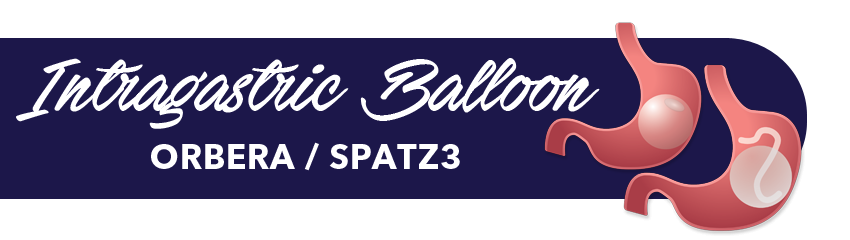
Intragastric Balloon

A soft, expandable, silicone balloon is placed inside the stomach through a mild sedation and a quick endoscopy.

The balloon occupies approximately a third of the stomach volume leaving the patient with a sense of fullness. It is indicated for temporary use in mild to moderately obese patients. The amount of weight you lose will depend on how closely you follow your diet and adopt long-term lifestyle changes.

The ORBERA Intragastric Balloon System:

  • It is a non-surgical procedure
  • Used as a weight-loss tool to adopt new eating habits
  • Indicated for patients with an excess weight of 10lbs or more
  • Placed under mild sedation
  • It's reversible
  • Out-patient procedure
  • 6 month lifespan
  • Procedure time: 15 - 20 minutes 

The Spatz3 Adjustable Balloon:

  • It is a non-surgical procedure
  • Indicated for patients with an excess weight of 15lbs or more
  • Placed under mild sedation
  • It's reversible
  • Out-patient procedure
  • 12 month lifespan
  • Adjustable (which helps patient to have greater food restriction)
  • Procedure time: 20 - 25 minutes
Procedure image

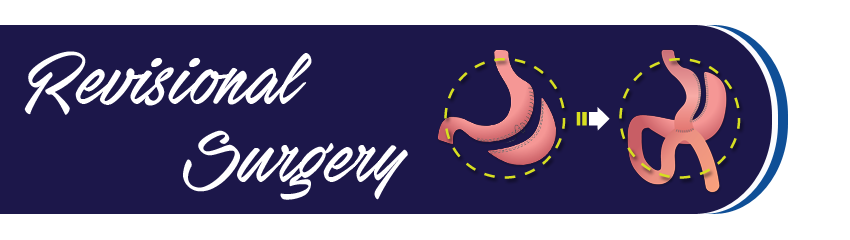
Revisional Procedures

PatientÂ’s who have a bariatric procedure and follow our post-operative indications such as:

  • Dietary guidelines
  • Recommended follow-up
  • Improvements in their lifestyle habits etc.

Â…Will lose a significant amount of weight and are able to keep it off for a long period of time.

However, treating obesity is similar to dealing with other diseases so the reality is that sometimes one weight loss procedure will not lead to as much weight loss as the surgeon and patient hope for.

In some cases, a patient will lose weight but later regain some or all of that weight.

If this has happened to you, you should not feel ashamed or consider this a personal failure. On the contrary, we will always work with you to find the next best option for your specific case.

The first step to determine whether you’re a candidate for a revisional procedure needs an evaluation that may require specific medical tests to help the surgeon make an accurate decision. 

The outcome of these tests or evaluation will determine the type of procedure that can be safely performed.

Please get in contact with us to set up an appointment at your earliest convenience.

Procedure image

Am I A Candidate?

Qualifications for bariatric surgery in most areas include:

  • BMI ≥ 35: or more than 100 pounds overweight.
  • BMI ≥ 30: and at least 1 or more obesity-related co-morbidities such as: type II diabetes (T2DM), hypertension, sleep apnea and other respiratory disorders, non-alcoholic fatty liver disease, osteoarthritis, lipid abnormalities, gastrointestinal disorders, or heart disease.
  • Ages between 15 – 65: Other cases may be considered under a previous evaluation
  • Unsuccessful diets and exercise programs: Inability to achieve a healthy weight loss sustained for a period of time with prior weight loss efforts.

Readiness for a new lifestyle: Patient is willing to make considerable lifestyle changes that will improve their quality of life.

Before the procedure

The Advanced Medicine Institute is committed to offer you a personalized and multi-disciplinary approach according to each personal need.

Our team of administration will help the doctors, nutritionist and phycologist appoint to you the dates and spaces available for your pre-operative process

  • Phone Call: Make an appointment with patient coordinator
  • Initial Consult: Patient Coordinator
  • Consultation with bariatric surgeon: an appointment can be set up if patient coordinator sees the need of a deeper evaluation.
  • Schedule Surgery: Check the agenda and work on the dates that are most comfortable for you.
  • Pre-operative Requirements:
    • Tests
    • Evaluation by Nutritionist
    • Evaluation by Psychologist
    • Pre-operative medication
    • Pre-operative diet
  • Attend a Seminar: If your surgery time allows it feel free to attend our monthly seminar in the designated place before your procedure, meet with the doctor, hear real-life testimonials and get all the insights on your procedure.
  • New Journey Begins!

Whether you’re a patient from our town or out of the city, we can arrange your first time appointments to be present or through phone calls.

We will always find a way to be there for our patients.

CirugĂ­a Ileal

CirugĂ­a Ileal

Cirugía Magnética

Cirugía Magnética

Health benefits

weight

Metabolic Surgery

The gastrointestinal tract is part of the digestive system.

cardiology

Gastric Sleeve

ItÂ’'s the newest procedure, done laparoscopically, that induces weight loss by restricting food intake.

monitor_heart

Adjustable Lap-Band

During this procedure, the LAP-BAND® is placed around the uppermost part of the stomach, dividing it into two parts: a small upper pouch and a lower stomach.

health_and_beauty

Mini Gastric Bypass MGBP

In this procedure, the surgeon divides the patientÂ’s stomach into two parts.

Your process

1
Gastric Bypass Roux-en-Y

In this procedure, the surgeon divides the patientÂ’s stomach into two parts.

2
Intragastric Balloon

A soft, expandable, silicone balloon is placed inside the stomach through a mild sedation and a quick endoscopy.

3
Revisional Procedures

PatientÂ’s who have a bariatric procedure and follow our post-operative indications such as:

4
Am I A Candidate?

Qualifications for bariatric surgery in most areas include:

FAQs

There are no frequently asked questions for this procedure.

Bariatric Procedures

Tus datos estan protegidos.

diversity_2

"La mejor decision de mi vida. Gracias al Dr. Cantu recupere mi salud y bienestar."

— Maria G., Paciente (2023)